
Plant-based diets have gained popularity in recent years due to their numerous health benefits. Whether you are looking to improve your overall well-being or reduce your risk of chronic diseases, transitioning to a plant-based diet can be a great option. In this article, we will explore the different aspects of plant-based diets, their health benefits, and how to successfully make the transition.
Understanding Plant-Based Diets
What is a Plant-Based Diet?
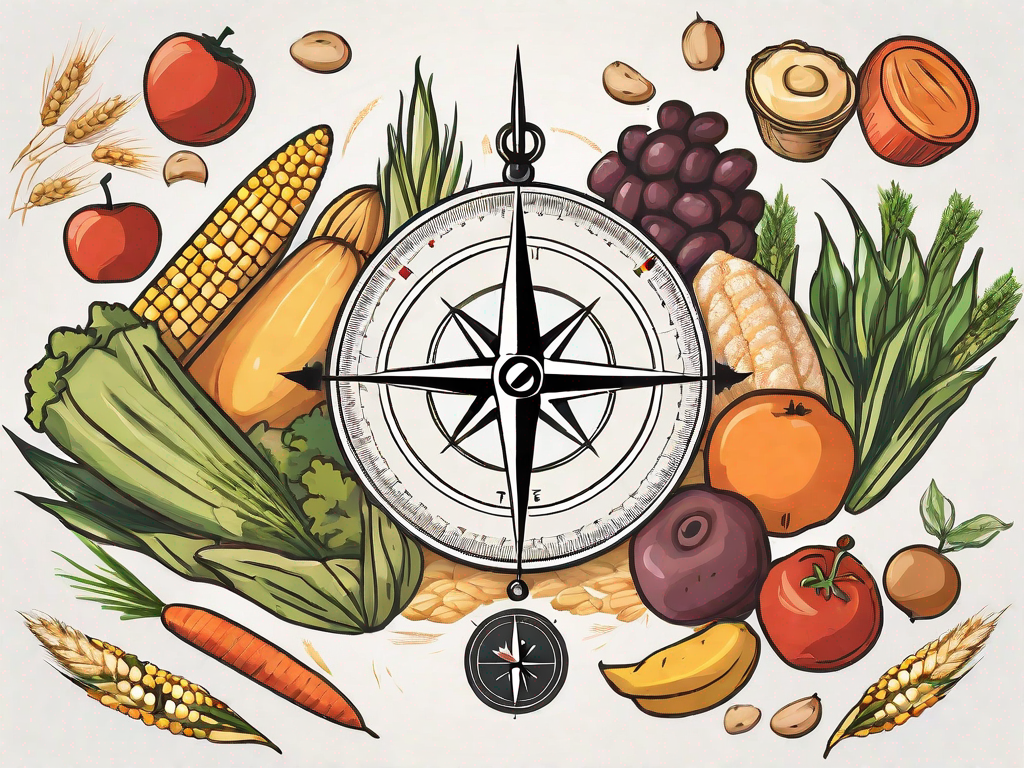
A plant-based diet is centered around consuming primarily or exclusively foods derived from plants. This includes fruits, vegetables, whole grains, legumes, nuts, and seeds. Plant-based diets have gained popularity in recent years due to their potential health benefits, environmental sustainability, and ethical considerations.When following a plant-based diet, individuals focus on consuming whole, unprocessed foods that are as close to their natural state as possible. This means avoiding highly processed foods, refined sugars, and artificial additives. By incorporating a variety of plant-based foods into their diet, individuals can ensure they are receiving a wide range of essential nutrients.
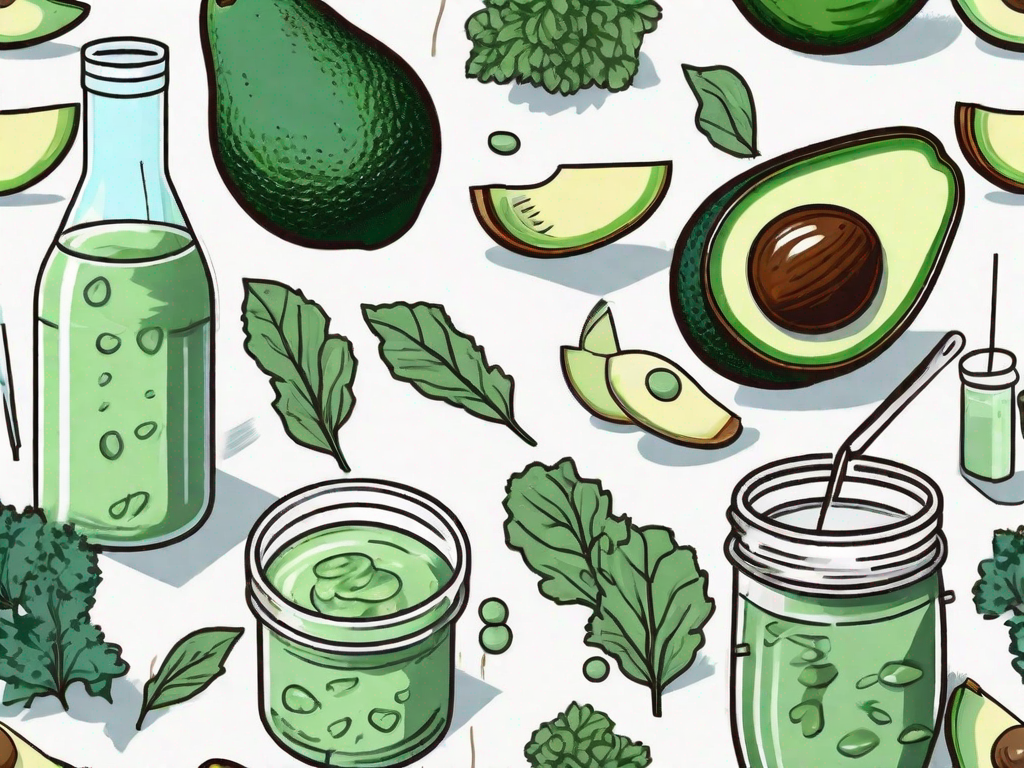
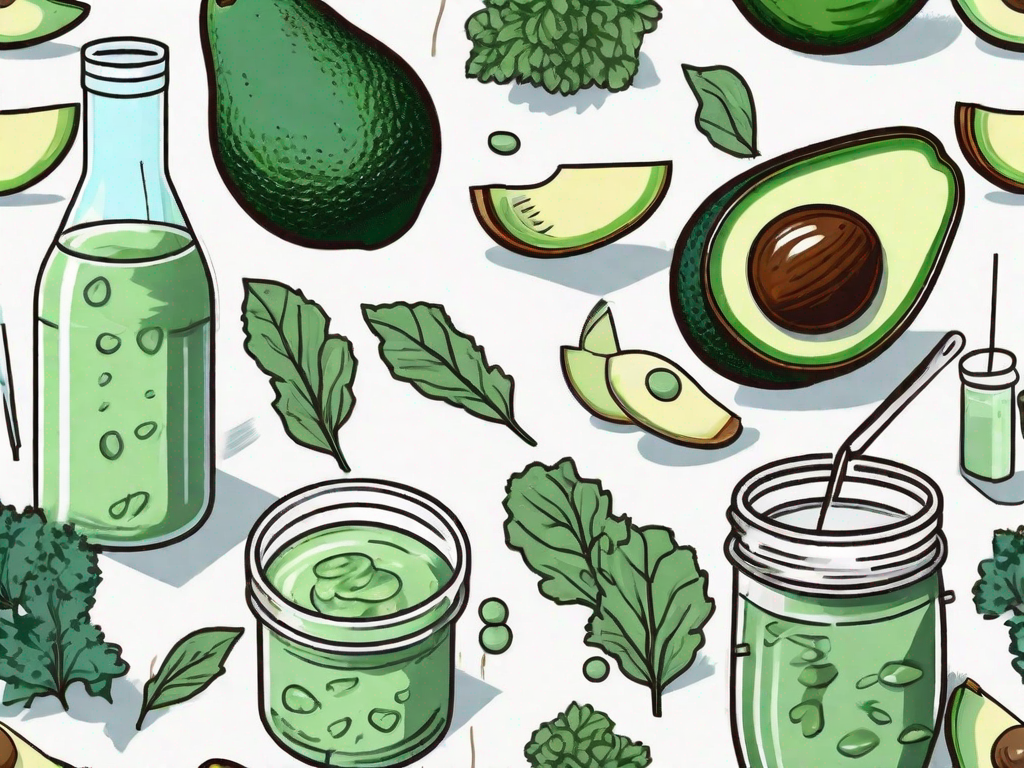
One of the key principles of a plant-based diet is the emphasis on consuming a diverse range of fruits and vegetables. These colorful and nutrient-rich foods provide essential vitamins, minerals, and antioxidants that support overall health and well-being. Additionally, plant-based diets are typically high in fiber, which can promote healthy digestion and help maintain a healthy weight.
Different Types of Plant-Based Diets
There are different variations of plant-based diets, each with its own set of guidelines:- Vegan: A vegan diet excludes all animal products and by-products. This includes meat, poultry, fish, dairy, eggs, honey, and any other animal-derived ingredients. Vegans often choose this lifestyle for ethical reasons, as they believe in avoiding the exploitation and harm of animals.
- Vegetarian: A vegetarian diet excludes meat but may include dairy and eggs. This allows individuals to still consume animal by-products while avoiding the consumption of meat. Many vegetarians choose this diet for health, environmental, or ethical reasons.
- Pescatarian: A pescatarian diet excludes meat but includes fish, dairy, and eggs. This diet allows individuals to enjoy the health benefits of a plant-based diet while still incorporating fish as a source of lean protein and omega-3 fatty acids.
- Flexitarian: A flexitarian diet primarily consists of plant-based foods but may include small amounts of meat, fish, dairy, and eggs on occasion. This flexible approach allows individuals to enjoy the benefits of a plant-based diet while still having the option to consume animal products in moderation.
The Science Behind Plant-Based Diets
Plant-based diets have gained significant popularity in recent years, and for good reason. Not only are they environmentally friendly, but they also offer a wide range of health benefits. Let's dive into the science behind plant-based diets and explore their nutritional profile and impact on health.Nutritional Profile of a Plant-Based Diet
Plant-based diets can provide all the necessary nutrients for optimal health, as long as they are well-planned. Fruits and vegetables are not only delicious but also rich in vitamins, minerals, and antioxidants. These essential nutrients play a crucial role in supporting various bodily functions, including immune function, cell growth, and repair.Whole grains and legumes, such as quinoa, brown rice, lentils, and chickpeas, offer a good source of fiber and protein. Fiber is essential for maintaining a healthy digestive system, promoting regular bowel movements, and reducing the risk of chronic diseases, such as heart disease and colorectal cancer. Protein, on the other hand, is necessary for building and repairing tissues, producing enzymes and hormones, and supporting a strong immune system.
Nuts and seeds provide healthy fats and additional protein. These fats, such as omega-3 fatty acids, are beneficial for brain health, reducing inflammation, and supporting heart health. Incorporating a variety of plant foods into your diet ensures that you can meet your nutritional needs without relying on animal products.
How Plant-Based Diets Impact Health
Research suggests that plant-based diets can have a positive impact on overall health. Numerous studies have shown that individuals following plant-based diets have a reduced risk of developing chronic diseases, such as heart disease, certain types of cancer, and type 2 diabetes.Plant-based diets are rich in fiber, which helps to lower cholesterol levels and maintain healthy blood sugar levels. By reducing the intake of saturated fats found in animal products, plant-based diets can help improve heart health and prevent cardiovascular diseases.
In addition to their cardiovascular benefits, plant-based diets are also associated with lower blood pressure. This is attributed to the high potassium content found in plant foods, which helps to counteract the effects of sodium and maintain healthy blood pressure levels.
Furthermore, the abundance of fiber in plant-based diets promotes healthy digestion by preventing constipation and promoting regular bowel movements. This can help prevent gastrointestinal disorders and improve overall gut health.
Weight management is another area where plant-based diets excel. The high fiber content of plant foods helps to increase satiety, keeping you feeling fuller for longer. Additionally, plant-based diets tend to be lower in calories and saturated fats, making them an effective tool for weight loss and weight maintenance.
It's important to note that while plant-based diets offer numerous health benefits, it's essential to ensure that you are getting all the necessary nutrients. Consulting with a registered dietitian or nutritionist can help you create a well-balanced plant-based meal plan that meets your individual needs.